
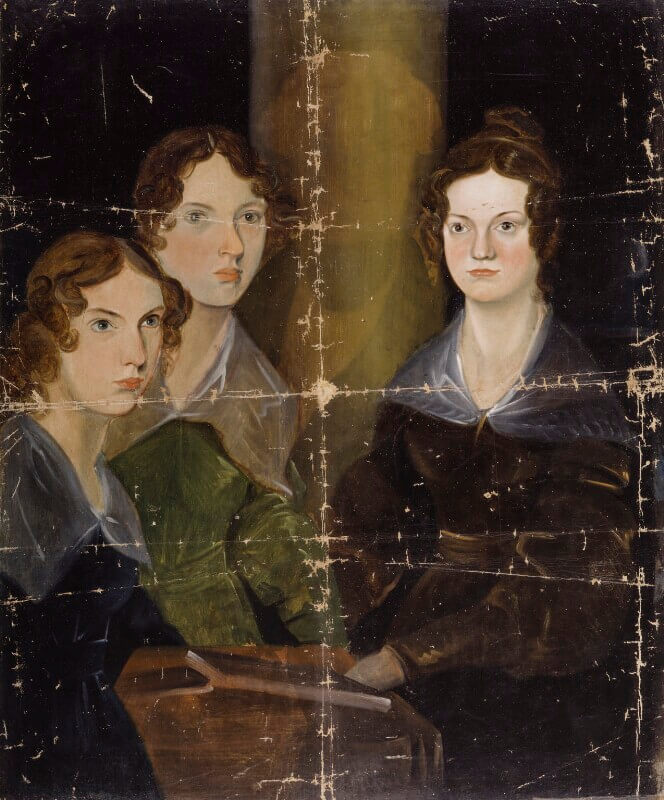
Branwell’s most famous work is his art; his portrait of his sisters hangs in the National Portrait Gallery, alongside a fragment of Emily from another portrait he painted. Branwell’s style, and his faults, come from tutelage he received from William Robinson, an artist from nearby Leeds who had studied at the Royal Academy. It seems that, at one point, Patrick saw the potential for Branwell to make a living in paint, for a letter exists that suggests they were thinking of sending him to the Royal Academy too.
It’s widely accepted that Branwell was sent to London with a portfolio and letters of introduction, in an attempt to secure admission. It’s also widely accepted that Branwell wasted his opportunity, spending the money he had been given on drink, and returning home with a story about being robbed. This is one of the most prevailing of the myths surrounding Branwell, even making it into the BBC drama To Walk Invisible.
But it isn’t true. The fact is that, while Patrick did draft a letter, the Royal Academy has no records of receiving it. Neither Patrick nor Branwell would have been foolish enough to think an unsolicited visit would endear Branwell to the Academy and, in fact, the entire episode appears to be drawn from one of Branwell’s Angrian stories in which a character visits a (fictional) city, and is so overawed by the sights that he loses his nerve and fails to bear his letters of introduction to their intended recipient. Instead, he spends his coin on run, and his time on aimless meandering about the city.
But while writers use their own lives for inspiration, they use other people’s lives too and, of course, event entire people and scenarios from imagination. It’s a mistake to read too much into a story, or to assume it was somehow autobiographical.
The truth is that this was nothing more than an aborted plan. It would be followed by another notion that Branwell might spend a summer in Europe to pursue further instruction. But both plans failed for one simple reason: they were too expensive. Patrick had only a modest income, and he simply could not afford to send Branwell to study in London, let alone Europe.
Like so many of the myths surrounding Branwell, the evidence for the idea he wasted an opportunity in London by spending his family’s money on drink and inventing a story about robbery simply does not exist. It is nothing more than an invention, based on nothing more than a story, and another example of why it is a bad idea to assume that every word of an author’s work is autobiographical.
You can find out more about the truth of Branwell’s stories, the myths that surround him, and his work in The Life and Work of Branwell Brontë.

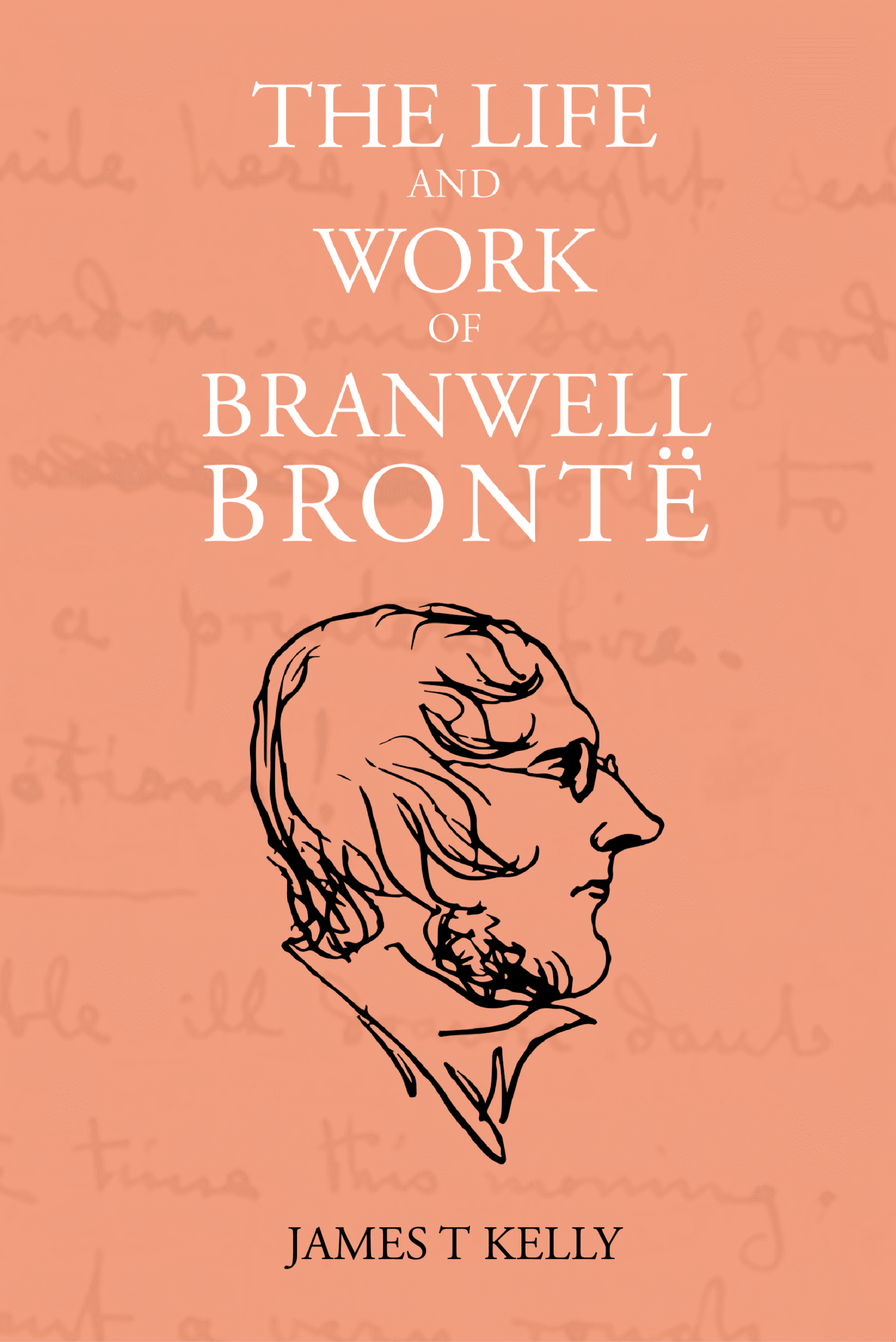
The story of Branwell Brontë has been plagued by misconceptions, lies, and misunderstandings for decades. This incredible new volume seeks to set the record straight.
Discover the truth behind the myths of Branwell’s life, decline, and death. Find out why he doomed himself to anonymity by writing under a different name. Read his work, alongside critical analysis that reveals him to be both the ‘Problem Poet’ and the ‘Byron of Haworth’. And read his letters, collected here for the first time.
Learn the forgotten truth behind the Brontë brother.

★★★★★ “I thoroughly enjoyed this book and I recommend it to anyone who has an interest in the Bronte family and especially in the much maligned Branwell. It explains how some of the myths about him.”
★★★ “The book is very good indeed, and I think offers something for everyone. Certainly, Kelly's exploration of theological themes was very interesting, and has given me plenty to think about with my own work.”
★★★★★ “If you are interested in the Brontë writing family, then you must buy this book. It's interesting and informative.”