
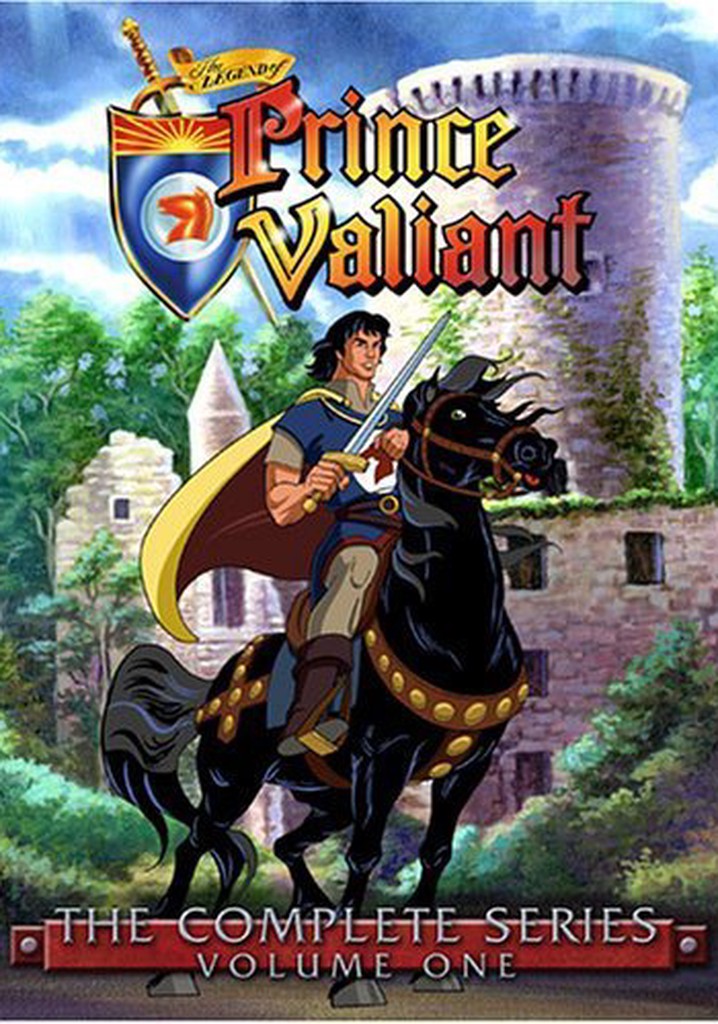
Arthurian myths play a big role in The Fey Man. You might think I read and researched a lot of those myths. Perhaps you have a romantic image of me in a montage of reading books, cross-referencing articles, leafing furiously through pages before finally falling asleep on a pile of books, glasses askew. Perhaps you don’t. But whilst I was inspired by the myths, I also took inspiration from another source: the title sequence for The Legend of Prince Valiant.
Time for a confession: I was never a fan of Prince Valiant. I watched it, because I’d watch any old rubbish as a kid. But if there was something else on, I’d watch that. The Legend of Prince Valiant was too slow, too mundane for the tastes of a boy who thought Teenage Mutant Turtles were the best thing since sliced pizza. But the title sequence always stuck with me. I suspect it was the power ballad.
It was definitely the power ballad.
It might sound daft, but I’m fairly certain this sixty second video has influenced my entire thinking of the Arthurian myth. It’s full of sun symbology, brave knights galloping, and everyone is standing about proudly and bearing arms to the sounds of 80s enthusiasm. It speaks of a golden age of chivalry and, well, valiance. And then, towards the end, there’s an old man slumped in a throne. Completely at odds to everything else. Even old Merlin is doing the whole standing proudly thing. But Arthur seems fed up with it all. Or defeated. Surrounded by all this hope and purpose and yet unable to feel it.
And doesn’t that exactly sum up the myth of Arthur? His rule is meant to be a golden age. But, like all halcyon days, it’s too good to be true. It falters and fails. So instead the myth casts another ray of hope, that Arthur will return one day and bring about a true golden age. Yet it’s a vain hope. Those days will never come again. Even if Arthur did come back, how could he bring that time with him? The past has passed and doesn’t return. That old man slumped in his throne is aware of the lie of his legend.
Okay, perhaps I’m reading way to much into a cartoon title sequence. But if you’ve read any of the Realm Rift Saga, you’ll know that these thoughts have played a huge part in the character of Emyr. Emyr feels the weight of expectation, the knowledge that his kingdom failed, and a feeling of responsibility that he could have avoided its fall. This is the motivation behind everything he does. Because, if you think you’ve failed an entire kingdom, would you think yourself capable of saving it in its darkest hour?
I won’t say more; I don’t want to spoil my own story! But it’s safe to say that, if I hadn’t seen that man slumped in his throne when watching Prince Valiant, I might never have conceived the character of Emyr, who has a big part to play in the Realm Rift Saga.

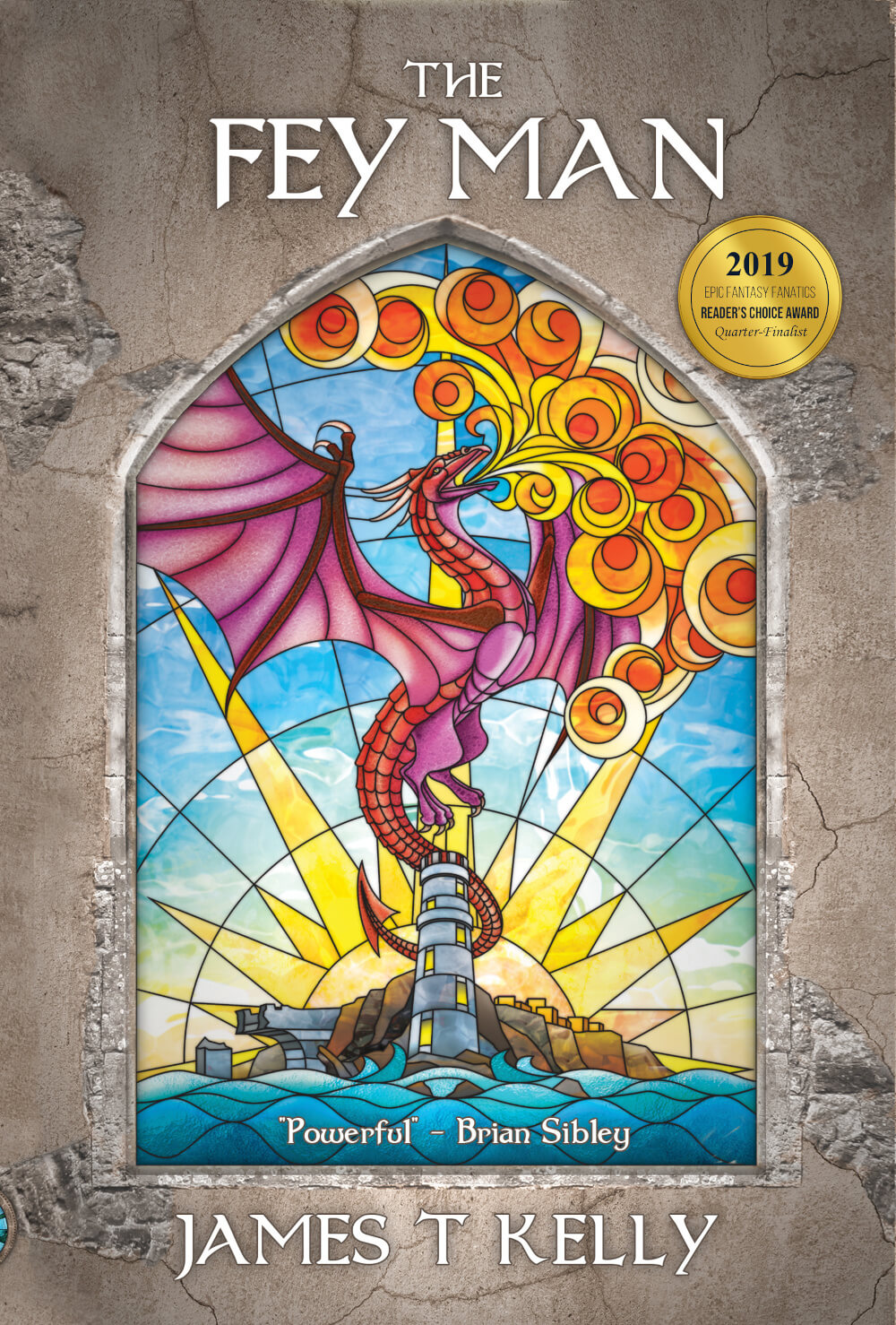
A land plagued by dragons. A sword only he can wield. A quest that could save his realm or doom it forever.
Thomas Rymour is the prophet who cannot lie, in service to a powerful duke. But when an elf lord hatches a plot to steal a legendary sword, Tom is forced to break his oath in order to save the world.
On the run from armies and dragons, Tom discovers the sword is the only thing that can stop the oncoming war, and he is the only one who can wield it. But while terrifying dragons scorch the skies, the immortal creatures of Faerie hatch their own dark plans for the mortal realm.
Can Tom find a way to save the mortal realm? Or will he fall foul of Faerie plots?
“The Fey Man immerses the reader in a compellingly conceived alternative realm created with a powerful sense of character and place.” – Brian Sibley, writer of The Lord of the Rings BBC Radio Drama
The Fey Man is the first book in the epic Realm Rift Saga. Download your copy today.

★★★★★ “This is one of the best epic fantasy books that I have read.”
★★★★ “As a study of a man in the throes of addiction, or maybe withdrawal…[Thomas Rymour] was particularly well drawn.”
★★★★★ “I smashed through this quickly as it's a real page turner and enjoyed it thoroughly. The setting is familiar enough that entering it is enjoyable and welcoming and at the same time novel enough that you care about the characters and the plot.”